Slow Living: Why Reclaiming Your Pace Is Essential for Mental Wellness
In today’s culture, we’re often rewarded for how much we can juggle, how fast we can respond, and how well we can keep it all together—often at the cost of our own well-being. I see it often in my therapy practice: clients who appear to be “functioning” on the outside while feeling disconnected, burned out, or empty on the inside. Many aren’t lacking motivation—they’re drowning in it, caught in a cycle of chronic doing.
This is where the practice of slow living becomes more than just a lifestyle aesthetic. It becomes a mental health intervention and practice to teach clients that are anxious, overwhelmed, over scheduled and burnt out.
What Is Slow Living?
Slow living isn’t about doing less just for the sake of it. It’s about reclaiming agency over your pace, your nervous system, and your presence. It’s about choosing balance and alignment over achievement. Stillness and being present over speed.
From a clinical lens, slow living supports the parasympathetic nervous system—the part of our body responsible for rest, digestion, and repair. When we live in constant urgency, our sympathetic nervous system stays activated. We’re flooded with cortisol, disconnected from our bodies, and stuck in a low-grade survival state.
I see this more and more within others and myself as life becomes more speedy with a focus on productivity.
I’ve always loved the saying “Less is more.” Slowing down allows us to shift from reaction to regulation. It makes room for reflection, for clarity, and most importantly—for ourselves and what’s important to us; What gives our lives meaning.
Why We Resist Slowness (And Why It Matters)
Slowness can feel threatening at first. For many, speeding through life is a defense mechanism—an unconscious way to avoid discomfort, grief, or unmet emotional needs. If we stop, we might feel too much. (I see this all the time) And yet, it’s so often that the very thing we fear is often the key to our healing.
In other words; where our fear lies is (usually) exactly where we need to go toward in order to heal & grow.
As a therapist, I view this cultural addiction to productivity not just as a lifestyle issue, but as a mental health one. We've been conditioned to equate our worth with output, our rest with laziness, our presence with inefficiency.
I recently had a client who was stressing about the vacation that they booked because they didn’t feel like they had “deserved it.” They didn’t feel that they have been “productive enough” to take a break despite the fact of full time employment, adequate pay checks and all the things.
what. is. happening?
But human beings aren’t designed to live in constant acceleration. We’re rhythmic, emotional and cyclical creatures. We need spaciousness—not just physically, but psychologically and emotionally. Slowness is not just a pace. It’s a way of wellness.
What Slow Living Looks Like in Practice
Slow living doesn’t require a total life makeover. It begins with small, intentional choices:
Breath before response: Pausing to notice your inner state before reacting.
Saying no without apology: Reclaiming or establishing boundaries as a nervous system regulation tool.
Single-tasking: Giving one thing your full presence rather than multitasking in a fog.
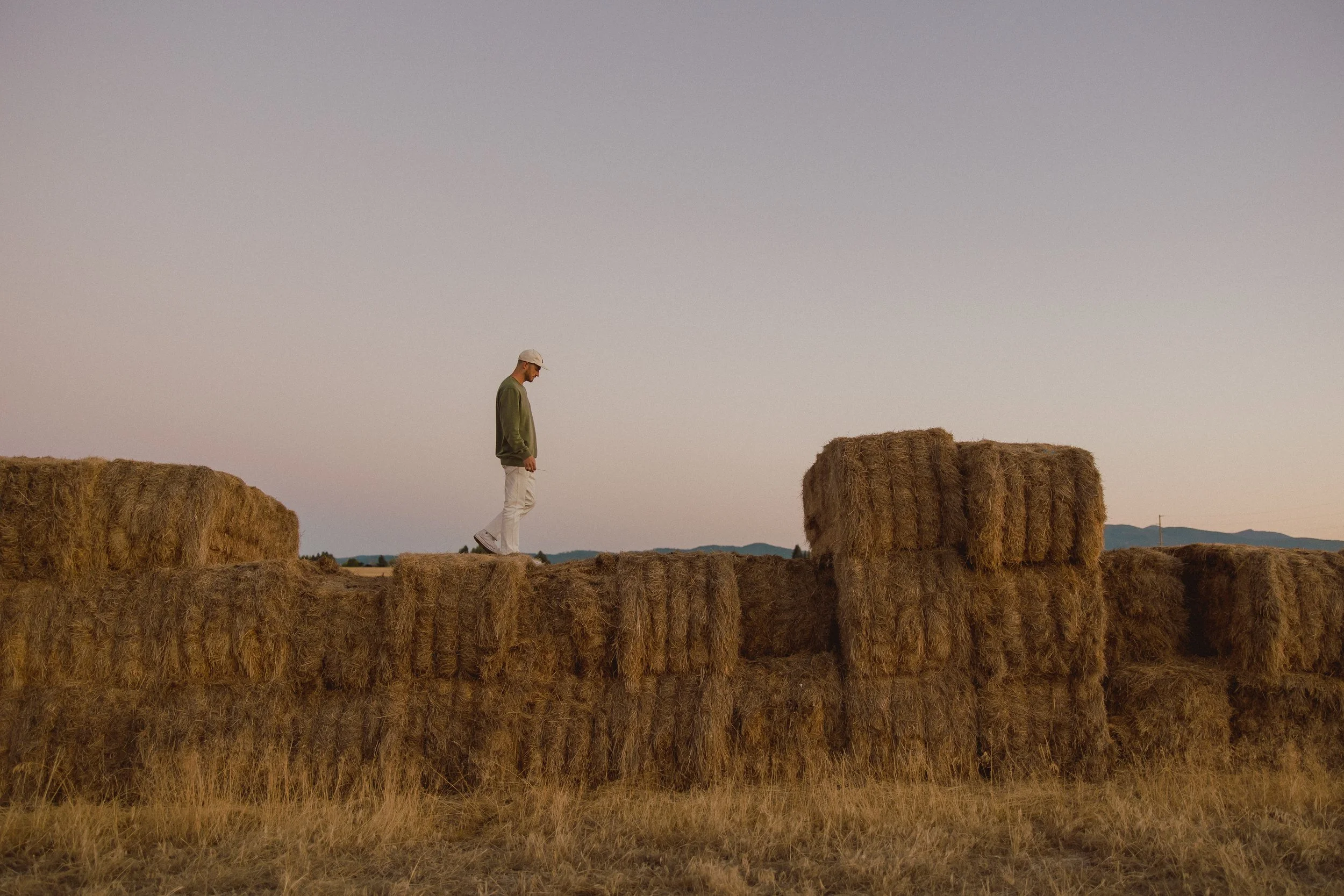
Embracing seasonal energy: Living in sync with your internal rhythms rather than forcing sameness year-round.
Letting stillness be productive: Redefining rest as active support, not wasted time.
The shift to a slower lifestyle isn’t about perfection. It’s about alignment. It’s about building a life where your inner and outer world no longer feel at war with one another. We live in a culture when we do something “good for ourselves” we can feel guilt; this is not healthy for us. This is what I want to shine a light on.
I wish for everyone to have “a break” via moments and spaces on the daily where they feel present & alive.
Slowness as Self-Respect
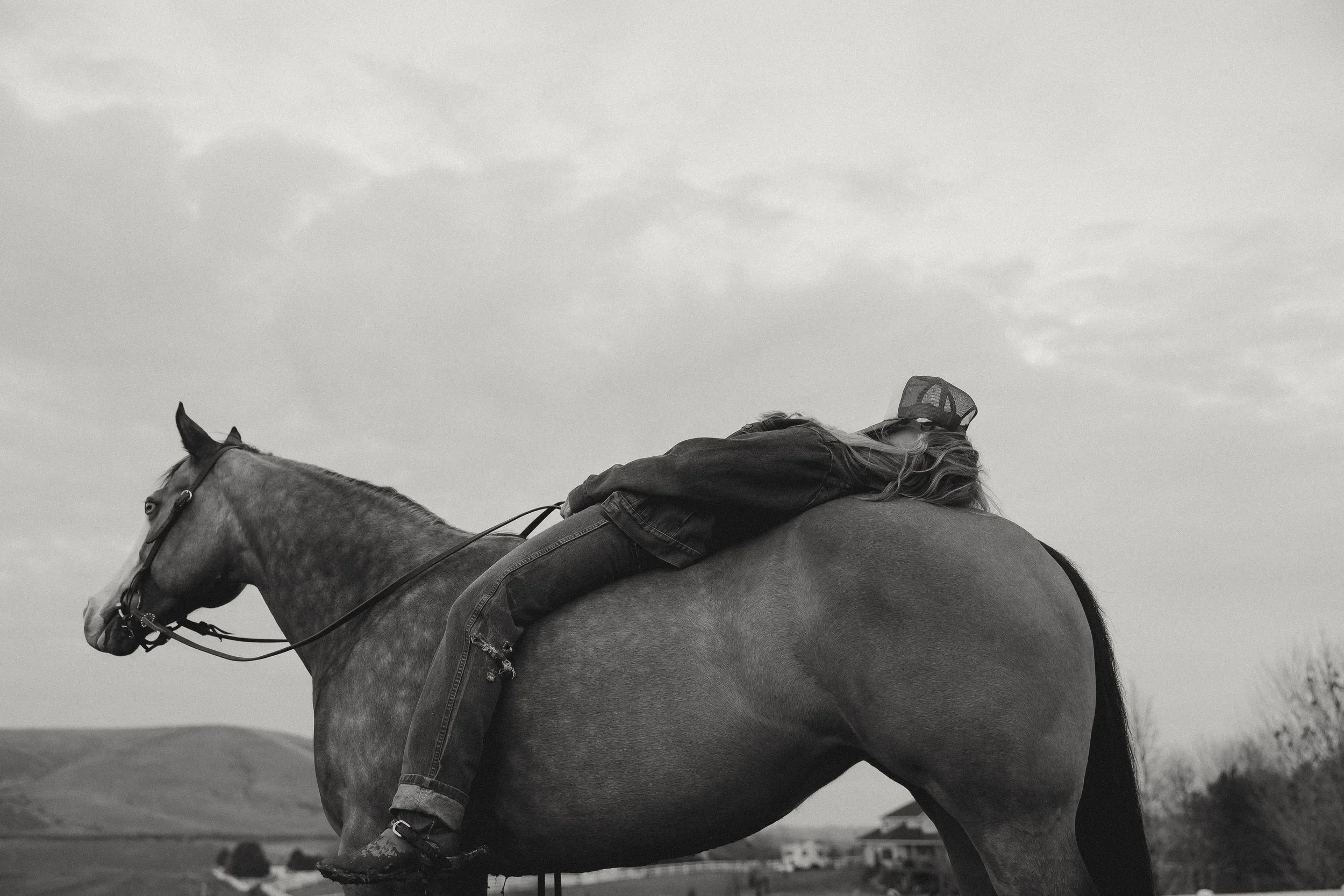
Ultimately, choosing slow living is choosing self-respect. It’s acknowledging that your body, your mind, and your spirit were not built for constant demand.
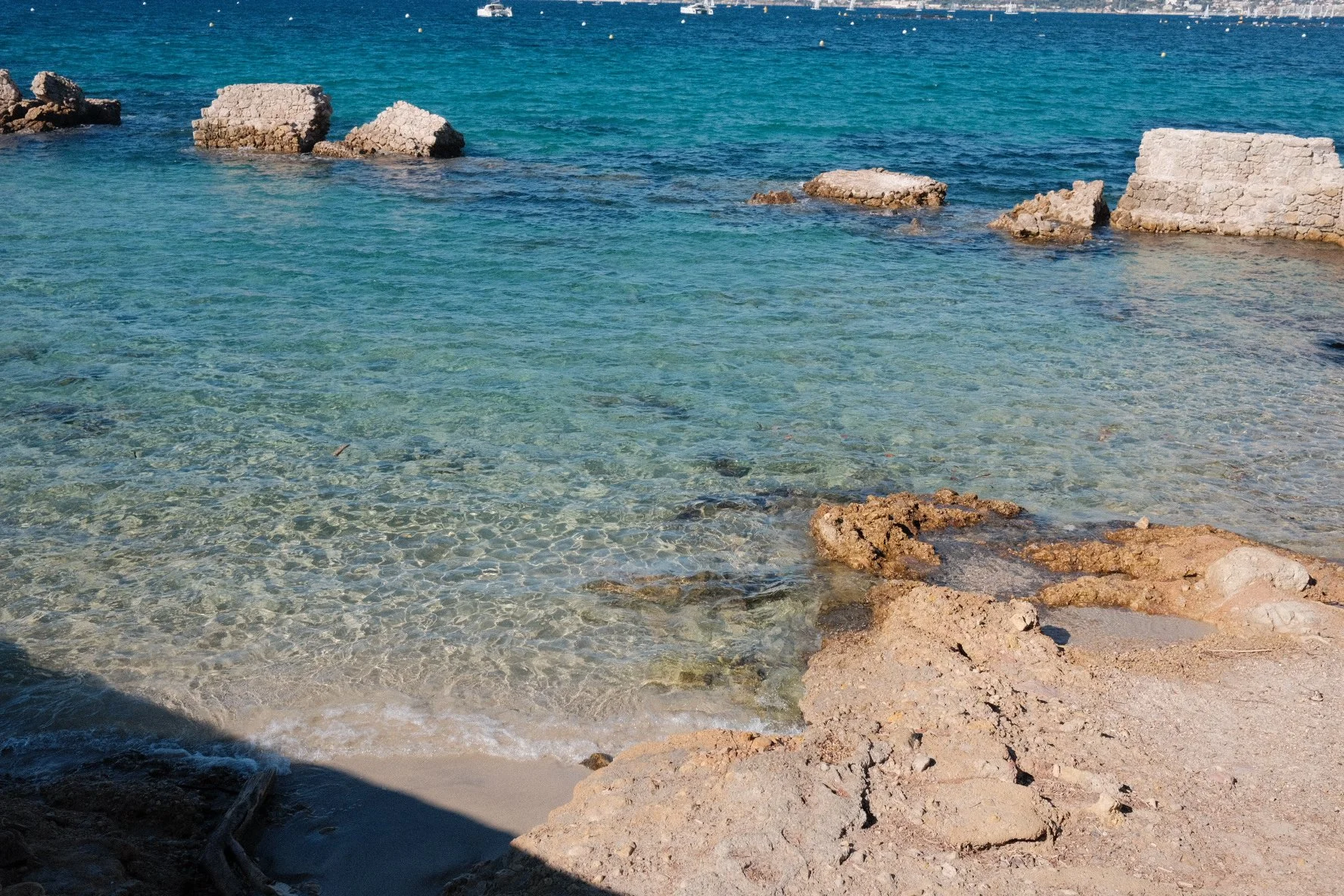
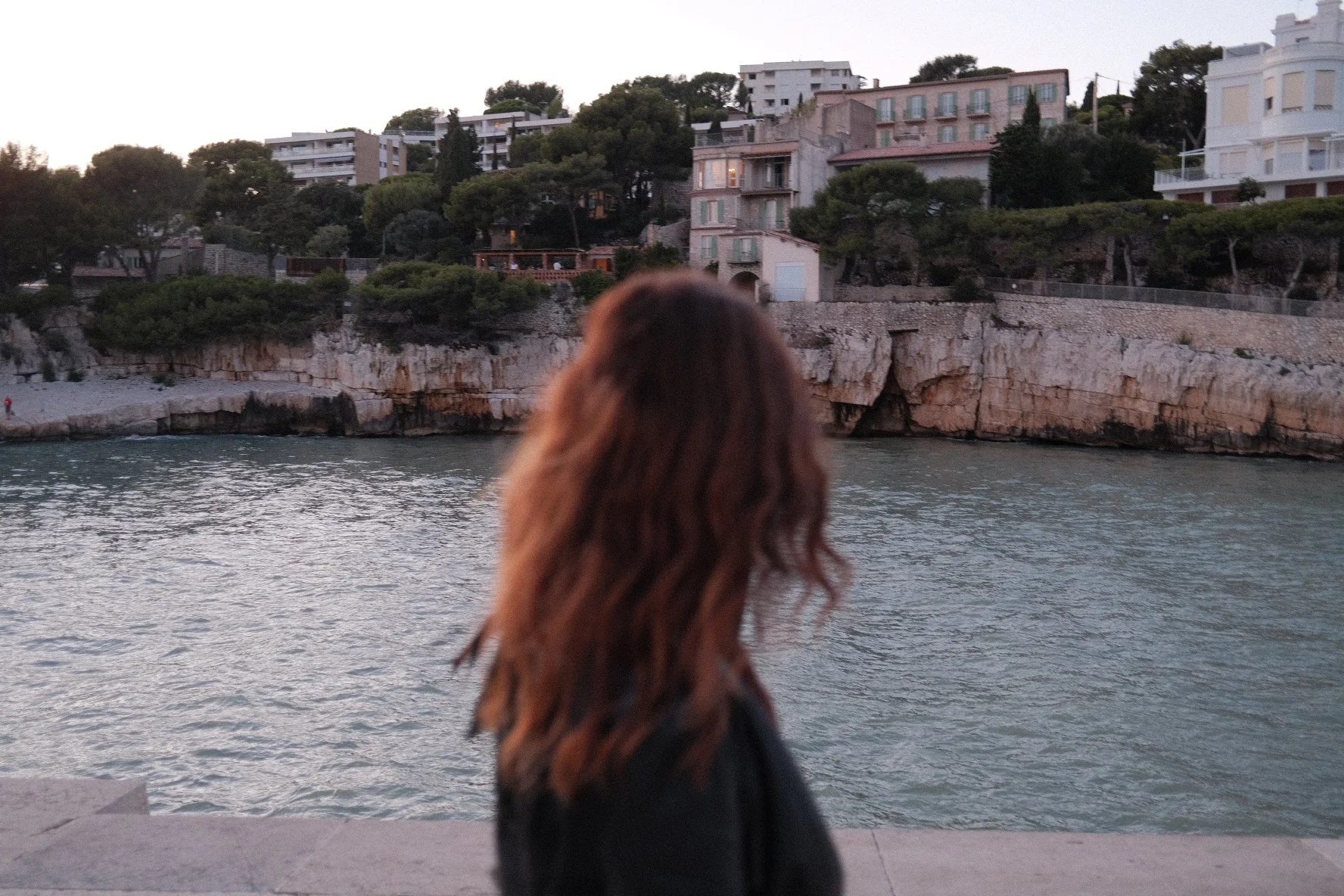
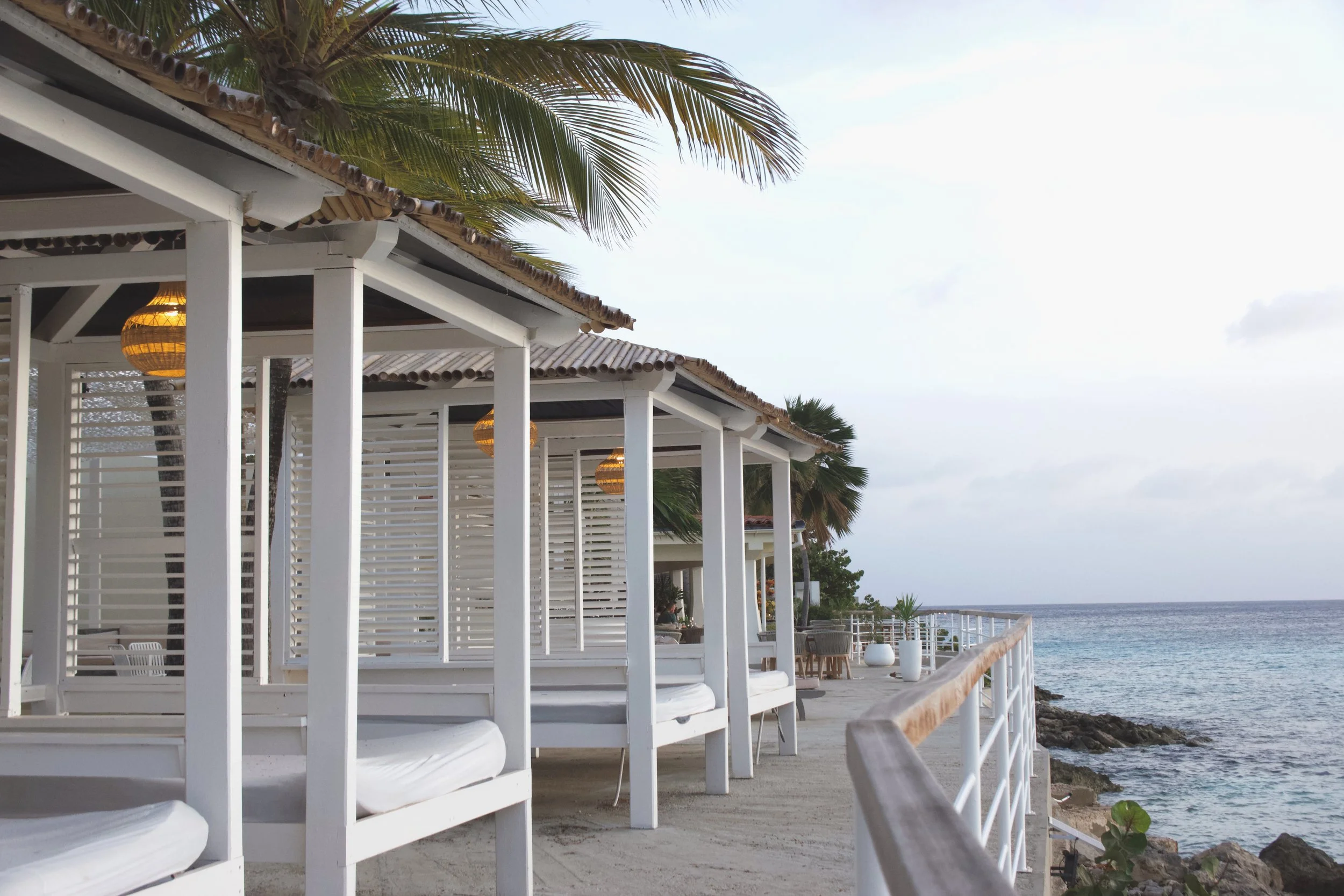
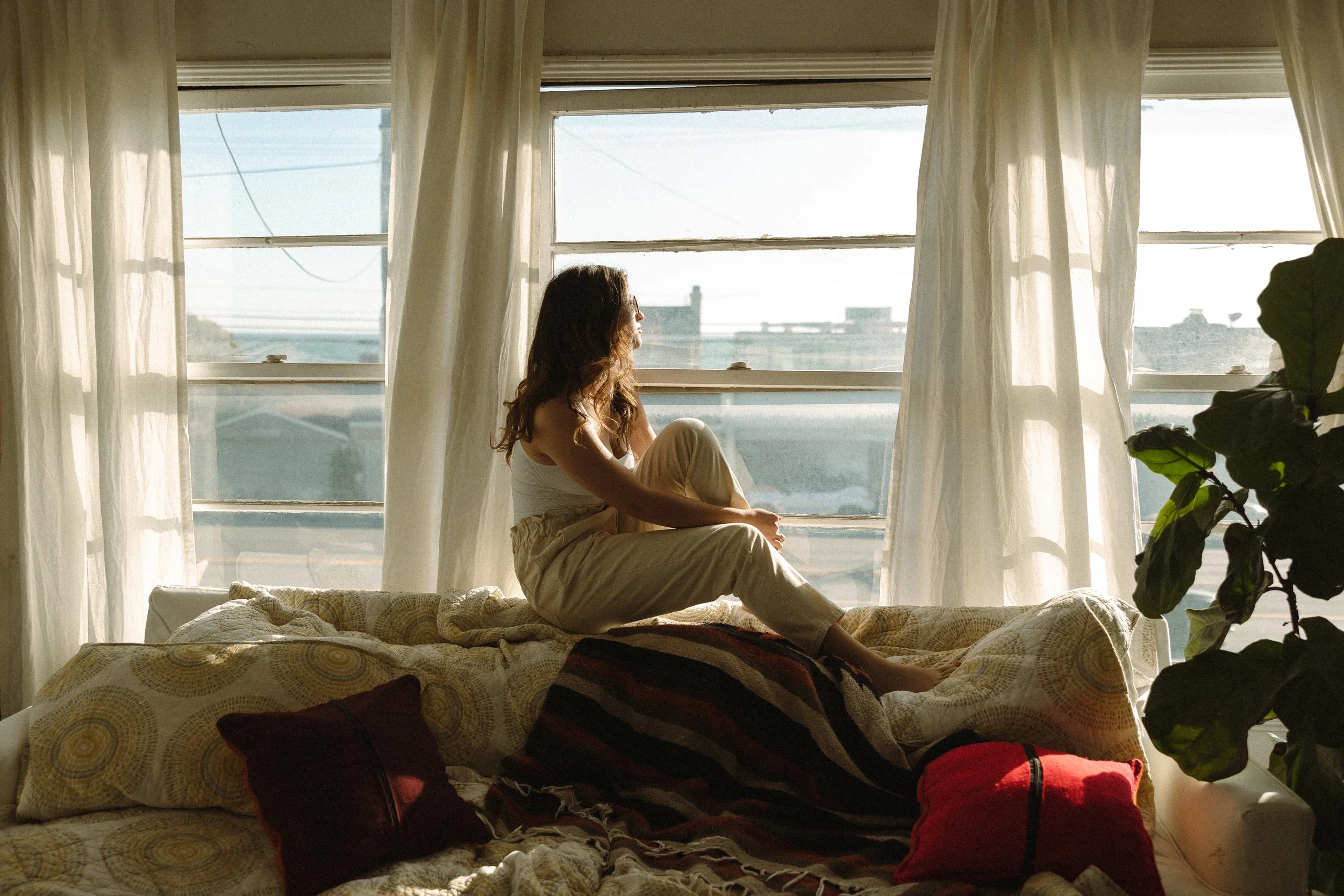
In my own life, as both a therapist and a pursuer of living more minimally and present, I’ve found that slowness is where clarity comes. I often have my greatest insights when I intentionally give myself an outlet to breathe. For me this can look like quiet time at the beach or when I gift myself a trip for R & R or just those everyday moments (usually in the early hours of the morning or evening) to breathe and reset. These are the moments that ground me. And they’re often where the real work happens—quietly, beneath the surface.
Reflective Prompt
If you're noticing exhaustion, disconnection, or a sense of "going through the motions," I invite you to ask:
“What am I rushing through—and why?”
“What would it feel like to live slower & deeper?”
Slow living is not a luxury. It's a necessary form of mental health in a world that often pulls us away from ourselves.
You’re allowed to move more slowly. In fact, your nervous system is begging for it. (so is mine.)
Want more reflections like this? Subscribe to my IAMWELL newsletter for my most recent mental health insights and recent happenings to support a life grounded in slow living, well being & the mind-body connection.
Let’s stay connected. You can find me on Instagram at @IAMKIMEGEL