Codependency (what it is and how to heal)

“Help, I think I’m codependent.” Is this what led you to this post? Do you think that you might be codependent?
If so, this is for you my friend. This is my attempt to help you understand what may be going on within you and playing out within your relationships. This is for you to dig deeper into how to help yourself so you can have healthy relationships; not relationships where you constantly feel drained, under appreciated, lost, not good enough, exhausted, confused, I can keep going……. let’s just start, shall we?
What is codependency?
Codependency is an unhealthy amount of psychological and emotional reliance on another person. This dependence can occur with a family member, in a friendship or intimate relationship. For the purposes of this post; I’ll be focusing on codependency within intimate relationships. When there’s a codependent dynamic, you being the codependent, will find yourself thinking about their wants and needs above your own.
You might find yourself speaking in “we’s” or “they” instead of an affirming ownership of “I.” Saying things like: “They want me to” “They think I should.” Your language often reflects a codependent dynamic by framing things without voicing “I.” “I want to do…” “I’m going to…” This is so because in a codependent dynamic; you lose your sense of ‘I.”
In a nutshell: Codependency in intimate relationships
In a romantic relationship the codependent can easily lose their sense of self in another by taking the focus off their life; their goals, needs and desires as they begin to solely focus their time and energy thinking about the wants and needs of their partner. Discomfort begins to form with the thought of life without the other and relief comes when you’re back in the energy of or in contact with them. Needless to say that this doesn’t end well; this results in a loss of self identify, self confidence and causes depression, anxiety and substance abuse issues.
Strong Traits of Codependency
An individual lacking the ability to make decisions for themself and say “No”
People pleasing behaviors. (a “whatever works for you” mentality.)
A lack of self identity or sense of self
An unhealthy amount of giving while not getting much back
An individual easily swayed by outside influence due to a lack of a core sense of self
What does a codependent intimate relationship look like?
In a codependent relationship there typically is the dynamic of the codependent (the giver) and the one who "needs to be needed" (the taker.) If this imbalance goes on long enough, where one person is depleting themself of all their life force energy in order to appease the other, the result is a loss of self. *A very common dynamic in codependent relationships is the pairing of a narcissist and an empath (the codependent.)
In a codependent dynamic, a very imbalanced amount of energy goes toward the "taker" as the codependent depletes their energy constantly giving while their needs go unmet. There often is a lot of manipulation from the "taker," which keeps the codependent in a powerless role. This “powerless” dynamic chips away at the codependents sense of self, self identity and depletes their general level of self confidence.
The codependent “plays small” by overly apologizing, taking responsibility for their partners actions and behaviors, putting their partner’s needs before their own and idealizing their partner. (Putting their partner on a pedestal; seeing them as “the best thing that has ever come along.”) As the codependent becomes "a shell of a person" they often loose their general sense of identity and the "taker" gains more power and control, and so the dynamic goes.
How do I know if I’m codependent? (signs & symptoms)
A strong feeling of responsibility for other peoples’ emotions.
Having a strong need & desire to help other people resolve their negative emotions and moods. (Has a very difficult, if not impossible, time being happy if the one they’re with is unhappy.)
Difficulty remaining focused on your own plans, ideas and goals (*This is exacerbated when someone is upset or in a bad mood toward or around them.)
Your happiness and goals are influenced easily by other peoples’ judgement of them.
You look for validation, reassurance and encouragement from people that are the least likely to give it. (A pattern of attraction for relationships where you will never feel good enough.)
Difficulty feeling peaceful in solitude; Difficulty finding fulfillment or happiness in life outside of life with the other person.
You have trouble processing your own emotions, which leads to difficulty with emotional regulation.
A tendency to do more than their share, all of the time
Stays in a relationship where they have conscious awareness that their partner’s behavior is hurtful. (Often validating reasons why their partner “had to act” in a certain manner.)
Overly apologizing even when you have done nothing wrong.
A constant focus on where their partner is and what they are doing. Fear when their partner is without them in the world.
A lack of your own sense of self, wants or goals for your life. A desire to take on your partner’s goals and wants to find self identity.
The need to ask permission or check in with your partner about details of your day or life that have nothing to do with them. ("I’m going out to lunch with Jenny, does that work for you?”)
Experiences chronic feelings of anxiety and constantly ruminates about their relationship due to their own insecurity and desire to please the other.
A chronic state of hypervigilance to avoid conflict with the other person.
Overly exerting their time and energy to fulfill their partner’s needs. (having no time for yourself)
Extreme hesitation to express any personal needs, wants or desires.
Self sacrifices their own moral codes & belief systems in order to be on board with what the other person wants to do and believes in.
A dire need for others to like you. Having a lot of difficulty and taking it very personally when others do not approve or like you.
A consistent habit of wanting to change, fix or rescue low functioning, addicted or troubled people.
Putting the other person on a pedestal, despite the fact that they don’t merit this position
Why does codependency develop?
In a nutshell, I usually point my clients toward looking at their family dynamics from their childhood. Was there emotional or physical neglect? Substance or physical abuse? Was there *enmeshment in your family? Was there an inconsistent and unsafe home environment and parenting style that caused fear and anxiety for you as a child? Did either of your parents model codependent traits?
Codependency is often rooted in childhood, to the relationships we had with our parents (or primary caretakers). It usually develops when we had parents who were either overly protective or under protective.
Some root causes of codependency:
Childhood trauma
Codependency is often rooted in childhood trauma, such as abuse, neglect, or having emotions punished or ignored; leading to low self-esteem and shame.Fear of abandonment
A fear of rejection and abandonment can be a root cause of codependency. This fear can be the result of feeling abandoned or rejected at a young age by pivotal people and/or primary caregivers.Dysfunctional families
Codependency can develop in children who grow up in dysfunctional families where emotions are taught to be repressed and needs go unmet.Overprotective parenting
Codependent dynamics can form between children and parents who are overprotective or struggle with addiction.Post-traumatic stress disorder
codependency can be used as a coping mechanism to deal with trauma.
The bottom line is that, when childhood needs go unmet and children grow up with a lack of validation for who they are, this creates the breeding ground of how codependency develops. It also can be taught; so like I mentioned earlier; take a look at if mom, dad or a primary caregiver modeled codependent signs or traits.
(*enmeshment prevents us from developing a strong sense of self. In enmeshed families, we are not taught to explore our own beliefs, rather we feel the need to go along with the ways of thinking that we were brought into in order to avoid conflict and to keep the peace.)
What are treatment modalities for codependency?
In short, healing from codependency entails getting reacquainted back with yourself. It’s switching the focus back to you. It’s reawakening yourself to your needs, wants and desires, while learning how to navigate your relationships with those elements in healthy balance.
In terms of treatment modalities, psychodynamic therapy and cognitive behavioral therapy are two modalities that I use to treat my clients who show symptoms and behaviors of codependency. A psychodynamic approach helps my client to explore their childhood while cognitive behavioral therapy helps them to identify and shift current codependent behaviors.
How do you start to heal codependent tendencies and behaviors? (3 steps)
1. You acknowledge that the intense over thinking about “the other person” is a symptom of unhealed emotional trauma/pain within you. (The general awareness that there’s something that needs healing within you vs. giving into the obsessive feelings and attention on “the other.”)
2. You educate yourself on what co dependency is, what it looks like and why it develops.
3. You may (depending on the severity of your codependent ways) choose to work with a skilled therapist to help you identify unhealthy tendencies & uncover past family dynamics or traumas that led to codependent behaviors.
How do you walk away (respectfully) from someone that you may love, but that you also feel treats you disrespectfully?
You make the choice to choose yourself. You choose you. You choose you over them. (No-it’s not selfish. period.)
Codependency results when there is a strong theme of choosing them over you. A huge turning point is when you decide to pick yourself and your best interest over that of the other. You become stronger by working on aspects of your own self love, and self care routine. You put your focus back on you by putting energy back into your own life force, your well being and the things that authentically bring you joy. You start to rebuild your life by paying attention to yourself and honoring your needs instead of neglecting them.
The Bottom Line
The ultimate way to start healing and recovering from codependency: learning to shift the focus off “the other” and back to you / learning to refocus on your needs, likes & wants; choosing you vs. focusing on people outside of you to validate your own worth.
Once you uncover that the dynamic that you are getting chronically stuck in is a codependent one; you then have defined the issue and can work toward healing. Good luck on your journey. Here are some resources to further support you.
If this resonates with you:
If you've been feeling stuck, I recently released UNSTUCK — an ebook exploring how to move forward. (The paid sequel to my free ebook, STUCK.)
Explore Unstuck — $39 →Here
New here? Join the IAMWELL Newsletter + receive STUCK, my free ebook.
Let’s stay connected. You can find me on Instagram at @IAMKIMEGEL
Resources for Healing
Codependency books
Codependent No More – Melody Beattie
Boundaries – Henry Cloud
Women Who Love Too Much – Robin Norwood
Facing Codependence – Pia Mellody
Should I Stay or Should I Go - Dr. Ramani
Recommended Workbook
Love Yourself; Heal Your Life - Louise Hay
Support Group
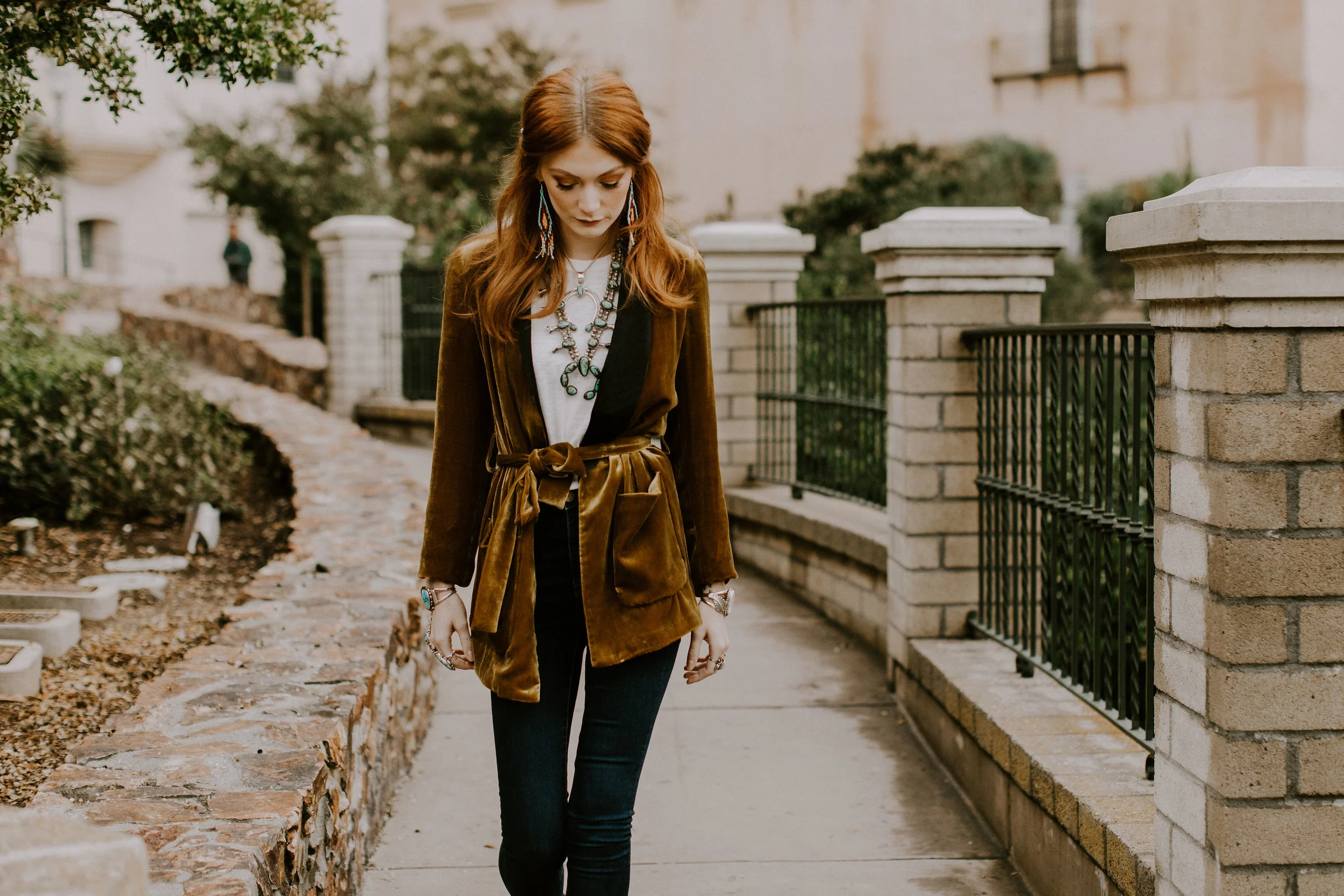
*Above image by visual artist, Amy Lynn Bjornson.


























5 Signs That You're Dating a Narcissist
Are you dating a narcissist? If so, this one’s for you.
For those of you who don't know, Narcissism is a legit mental health disorder. Dating a narcissist can take its toll as it requires constant giving via endless validation and listening of your partners grandiose sense of self. This post goes over what you may feel and experience when dating or in a relationship with such a personality type.
What is Narcissistic Personality Disorder (NPD)?
In a nutshell, an individual that fits the diagnosis for Narcissistic Personality Disorder generally has a grandiose view of themself, a burning desire for admiration, and a lack of empathy for others. To get further into clinical diagnostic criteria, according to the Diagnostic and Statistical Manual of Mental Disorders (DSM-5) published by the American Psychiatric Association, here are key characteristics of NPD:
Having an exaggerated sense of self-importance
Expecting to be recognized as superior even without achievements that warrant it
Exaggerating achievements and talents
Being preoccupied with fantasies about success, power, brilliance, beauty, or the perfect mate
Believing that you are superior and can only be understood by or associate with equally special people
Requiring constant admiration
Having a sense of entitlement
Expecting special favors and unquestioning compliance with your expectations
Taking advantage of others to get what you want
Having an inability or unwillingness to recognize the needs and feelings of others
Being envious of others and believing others envy you
Behaving in an arrogant or haughty manner
5 Signs That You’re Dating A Narcissist
1. Since your partner has an inflated sense of self, you find yourself spending countless hours having one sided “conversations” as you listen to the exaggerated triumphs and tribulations of your partners life journey.
2. A narcissist thrives from a deep need of admiration from others, hence, you find yourself in the role of “cheerleader” by giving compliments and praise because that’s the fuel your lover needs to keep their exaggerated sense of self up to par.
3. A narcissist lacks the ability to be empathic to the needs of others, so even though you're the, so called “object of his/her affection,” you find your needs ignored and unacknowledged.
4. Your sense of self is slowly going down the drain. Over time, the constant “about me” vibe that a narcissistic partner brings to a relationship will begin to dim your inner light. This is the where the real damage is done. This will leave you feeling inwardly empty and doubtful as that’s what happens when your sense of self is compromised.
5. You feel taken advantage of and defeated, although it’s confusing because your love for your partner causes you to validate their self serving actions. An intimate partner of a narcissist usually begins to play a subservient role that, unfortunately, will begin to feel “normal” overtime. This role is developed in order to stay in the partnership. We tend to make excuses and get in a strong habit of validating our partners ways of being that, in all reality, are self serving and geared to their best interest, not ours.
It’s always very apparent when a client comes in that’s with or has recently ended an intimate relationship with a narcissist. Usually, the first step in helping this individual is to provide a realistic view of reality for it ‘s become very distorted as a result of being on the other end of someone who has a grandiose, self serving and all consuming sense of self. As a therapist experiencing and helping this type of client, it feels as if your across someone whose been “brainwashed.” Often, their view of reality has been tainted by the material they’ve been witnessing and digesting from their narcissistic partner. My job is to help them rebuild their sense of reality based on facts, rather than the stories that they were encouraged to believe from their partner.
As the term “narcissist” is thrown around very loosely in our society, I truly have seen the scaring effects that this type of partnership has had on my clients. It’s real. It’s damaging and the time it takes to recorrect and restore a persons sense of self takes courage, time and work.
So, babes, to avoid going down this road, make sure that you’re considering yourself, your needs, your wants, ALWAYS, AND especially when you’re choosing a mate. Anybody who continually makes you feel doubtful of yourself, is never asking about you and is always out for number one is simply not a good partner for you. Period.
The charm and rico suave vibe is there with these narcissistic individuals, so don’t let the charm fool you. Go deeper. Choose well. Give your time and energy to someone who sees you, rather than someone whose only interested in seeing themself.
*Another resource on NPD with additional information HERE.
*Image by lifestyle & wedding photographer, Amy Lynn Bjornson.