Fear of Making the Wrong Choice: What’s Really Happening
Some people spend years quietly living with a constant, underlying fear:
What if I make the wrong choice?
The wrong relationship.
The wrong career move.
The wrong place to live.
The wrong timing.
The wrong life.
So they think harder.
Analyze longer.
Reopen decisions.
Search for certainty.
And over time, life starts feeling less lived — and more managed.
For some people, this looks like chronic overthinking.
For others, it looks like perfectionism, indecision, anxiety, emotional exhaustion, or constantly reopening the same questions.
Should I stay?
Should I leave?
What if I regret this?
What if there was a better option?
What if I’m getting my life wrong?
From the outside, this pattern can look very different depending on the person.
Some become highly productive.
Some avoid decisions altogether.
Some appear calm while quietly spiraling internally.
But underneath it is often the same thing:
A nervous system that never fully settles.
And eventually?
People become exhausted. Not because life is objectively falling apart.
But because internally, every choice quietly carries heavy emotional weight.
It rarely looks like anxiety from the outside.
Many people living in this pattern don’t think of themselves as anxious.
They think of themselves — and are often seen — as:
thoughtful
perceptive
intentional
self-aware
discerning
And often, they are. But beneath those strengths is usually a quieter, yet intense pressure:
A pressure to get life right.
To choose correctly.
To avoid mistakes.
To not waste time.
To not end up trapped inside the wrong life.
So the mind keeps working.
Scanning.
Evaluating.
Comparing.
Reopening decisions.
Searching for certainty.
Not because the person is dramatic or indecisive.
Because internally, uncertainty feels too emotionally uncomfortable.
What’s actually happening?
There isn’t one exact clinical label for this pattern.
It often lives at the intersection of:
anxiety
perfectionism
rumination
hypervigilance
over-responsibility
intolerance of uncertainty
But honestly?
The simplest way I know how to describe it is this:
The nervous system becomes organized around preventing regret.
The person is no longer simply living life. They are constantly trying to manage, predict, and emotionally secure themselves while inside of it.
The aim becomes:
If I think carefully enough, prepare enough, or choose perfectly enough, maybe I can prevent pain.
The problem is:
Life doesn’t actually work that way.
Truth be told:No amount of overthinking removes uncertainty from being human.
Why this happens
I don’t think there is one single explanation for this pattern.
I see it in people from loving homes.
Critical homes.
Achievement-oriented homes.
But there are often common threads.
Many people became highly attuned early in life.
They learned to notice.
To anticipate.
To think ahead.
To avoid mistakes.
To read the room.
Sometimes this develops from overt pressure.
Sometimes from subtle emotional dynamics.
Sometimes simply from temperament.
Over time, the nervous system quietly learns:
If I stay aware enough, prepared enough, or careful enough, maybe I can prevent future pain.
The intention makes sense. But eventually, the person becomes exhausted trying to emotionally secure themselves through decisions.
The hidden role of uncertainty
An important concept in mental health is something called intolerance of uncertainty.
Which essentially means:
The nervous system experiences unresolved situations as deeply uncomfortable. Emotionally difficult to tolerate.
So the mind starts trying to create certainty where certainty does not actually exist.
It predicts.
Compares.
Reviews.
Analyzes.
Keeps options open.
Searches for reassurance.
Because the person is trying to feel emotionally safe.
The problem?
Most of life cannot be fully resolved in advance.
What this actually feels like
People living in this pattern often describe:
Never fully landing.
Never fully relaxing.
Never fully feeling done.
Even after making a decision, the mind quietly reopens it.
Should I stay?
Should I leave?
Did I choose too quickly?
What if I regret this later?
The rumination can often feel falsely productive.
Insightful and necessary.
Like if you just think hard enough, clarity will finally arrive.
But most of the time, the mind is not actually solving the problem.
It is trying to relieve uncertainty.
That’s why changing the decision, canceling the plan, reopening the question, or seeking reassurance often creates temporary relief.
For a moment, the brain feels:
Okay. I’m safe again.
But the relief rarely lasts. Because the deeper issue was never the decision itself.
It was the fear of uncertainty underneath it.
Why relationships often feel especially hard
This pattern can create enormous suffering in relationships.
Because relationships require something many people with this pattern deeply struggle with:
Living without certainty.
No relationship comes with guarantees.
No partner arrives with proof.
No life path comes with confirmation that it was absolutely the right one.
So the mind keeps trying to solve something that cannot be fully solved.
Maybe there’s someone better.
Maybe I left too soon.
Maybe I stayed too long.
Maybe this isn’t right.
Years can quietly pass inside that internal reopening. Not because someone is incapable of love.
But because the nervous system keeps searching for a level of certainty that human relationships simply cannot provide.
Healing is not becoming certain
This is the part many people misunderstand.
Healing does not mean:
never doubting
always feeling sure
making perfect decisions
eliminating regret
finally solving your life
That’s impossible. Healing is becoming more capable of staying emotionally grounded even when life feels unresolved.
It is learning that uncertainty is uncomfortable — but survivable.
It is learning that imperfection does not equal failure.
And slowly realizing:
You do not need total certainty to move forward.
So what actually helps?
Usually not more analyzing. Often way less.
Healing begins when people start noticing the loop itself.
The compulsive reopening.
The constant evaluating.
The endless search for reassurance.
From there, the work becomes much more practical and much more human.
Interrupting the loops.
Learning to pause before reacting.
Allowing discomfort without immediately trying to fix it.
Practicing “good enough.”
Reducing reassurance-seeking.
Making decisions without demanding complete certainty first.
And maybe most importantly:
Grieving the fantasy that there is one perfect version of life we are supposed to find.
Because a lot of people are secretly trying to solve an impossible equation:
How do I make sure I never regret my life?
But no amount of overthinking can solve that.
Every life contains uncertainty.
Every choice closes other doors.
Every path includes loss.
That is not failure.
That is being human my friend.
Final thought
If you recognize yourself in this pattern, you are not alone.
Many people are quietly living inside this exact cycle — including people who appear highly capable on the outside.
The goal is not to become someone who never doubts.
The goal is to stop organizing and managing your entire life around the prevention of regret.
Because peace does not come from finally becoming certain.
It comes from learning how to live — imperfectly, openly, and presently — inside an uncertain life.
If this resonates with you:
I recently released UNSTUCK — an ebook exploring how to move forward. (The sequel to my free ebook, STUCK.)
Explore Unstuck →Here
New here? Join the IAMWELL Newsletter + receive STUCK, my free ebook.
Let’s stay connected. You can find me on Instagram at @IAMKIMEGEL
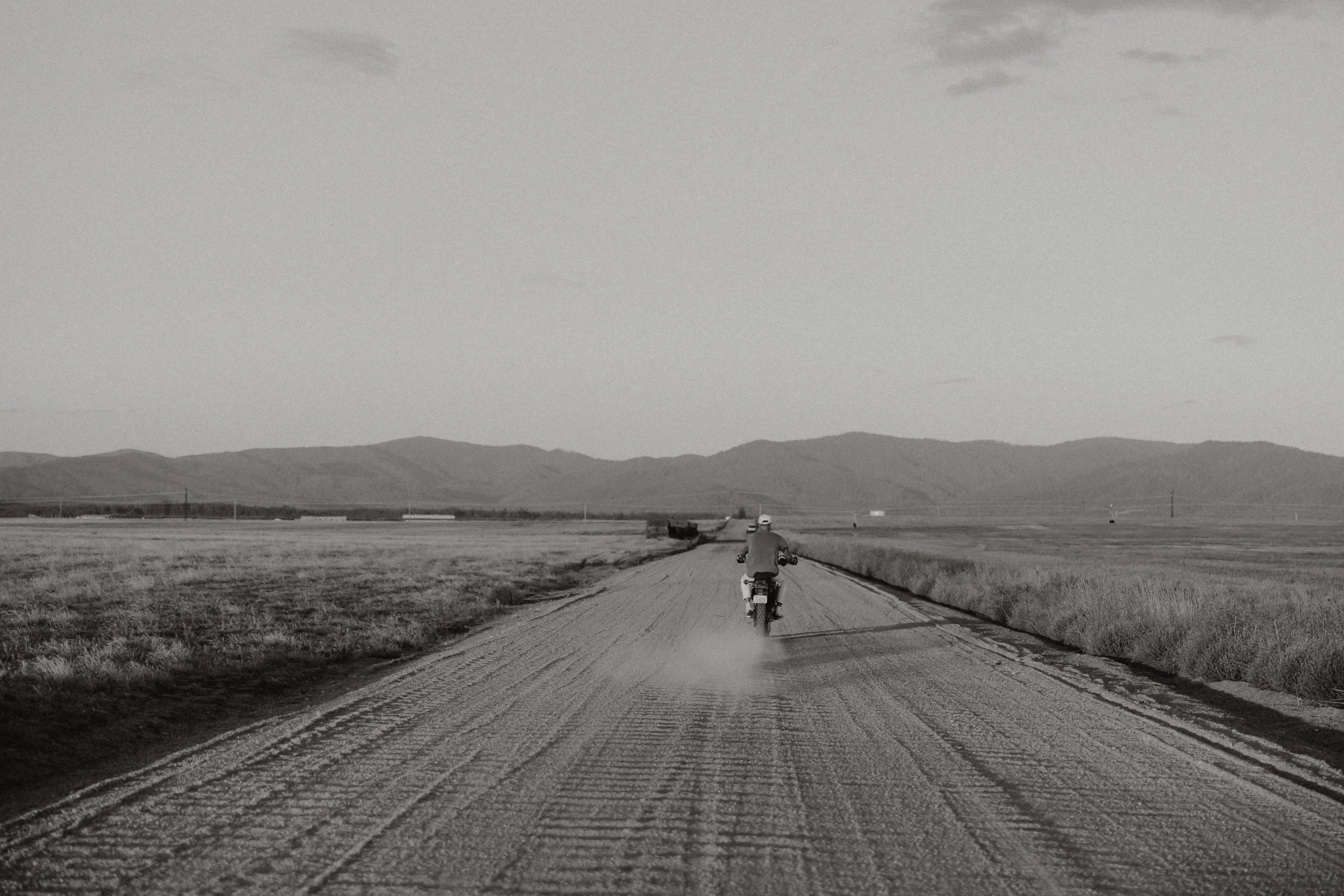
*Post image by visual artist Amy Lynn.